Illegal Online Gambling in the Crosshairs: Portugal Prepares New Measures

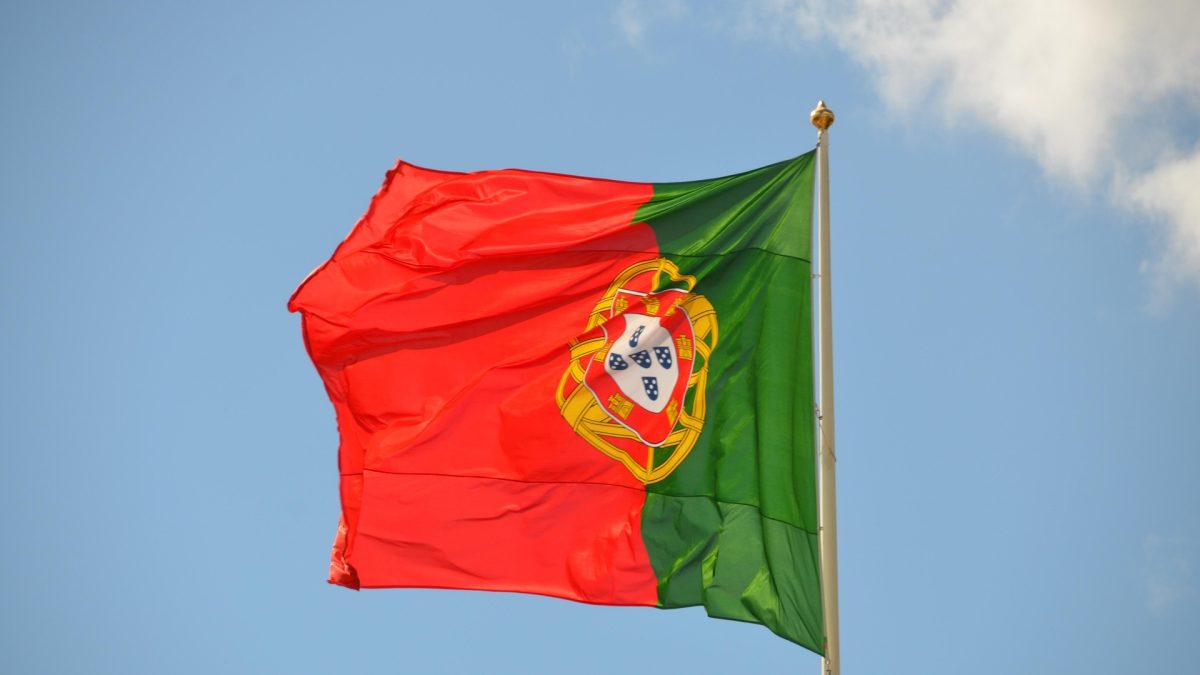
Portugal is preparing a new crackdown on illegal online gambling. Against the backdrop of a growing number of unlicensed websites and billions in losses for European economies, the country is planning legislative changes to strengthen oversight of unregulated operators and limit risks to consumers. According to European Gaming, the legislative package is expected to be presented this summer, and its main goal is to facilitate the fight against operators offering unlicensed services.
The issue was raised by Portugal’s Minister of Economy, Manuel Castro Almeida, at the start of an awareness campaign launched in June against illegal online gambling under the slogan “Not everything you see is safe to play.” He described the problem as a “plague” and emphasized that a sense of impunity allows unlicensed operators to expand their operations.
Portugal already has experience in combating illegal platforms. According to data from European Gaming, since the current regulatory framework was introduced in 2015, over 2,500 websites have been blocked, more than 1,500 notices have been issued, and dozens of cases have been referred to the public prosecutor’s office.
Europe Reports Billions in Losses from the Black Market
The case in Portugal is part of a broader European trend. Illegal online gambling is becoming one of the most serious regulatory challenges in Europe because it affects consumer protection, government revenue, and the competitive environment all at once.
According to a report by Yield Sec, commissioned by the European Casino Association and published in 2025, unlicensed operators generated 80.6 billion euros in the EU in 2024, representing about 71% of the bloc’s online gambling market. By comparison, the licensed sector is estimated at 33.6 billion euros.
Although there is currently no public pan-European report with comparable data for 2025, national regulators in countries such as the Netherlands, Sweden, and the United Kingdom have reported increased pressure from unlicensed operators during this period, and these figures show why the issue can no longer be viewed simply as a “peripheral problem.”
Bulgaria is also part of this picture
This issue is also relevant for Bulgaria, where the National Revenue Agency regularly updates the lists of websites used to organize gambling activities without a valid license under the Gambling Act. The number of identified illegal sites continues to grow.
The Bulgarian Gaming Industry Association (BGIA) also ranks the black market among the top issues facing the sector. According to Angel Iribozov, chairman of the BGIA’s Board of Directors, the black market will continue to be one of the key issues for the gaming and entertainment industry in Bulgaria in 2026.
“Responsible regulation and effective law enforcement, supported by coordinated institutional actions, are the key to curbing the gray market and protecting consumers,” Iribozov notes.
According to him, this includes blocking payments and access to unlicensed websites, clearly communicating to consumers how to identify licensed operators, and fostering cooperation between the industry and the regulator.
The case of Portugal shows the direction in which Europe is moving—toward stricter rules for unlicensed operators and a stronger focus on consumer protection. For Bulgaria, this issue also remains important because a regulated market can only be sustainable when action against illegal competition is taken in a timely and consistent manner, using effective enforcement tools.
Source: 24 Chasa