The Netherlands tighten control on gambling: Society protection or risk of black market growth?

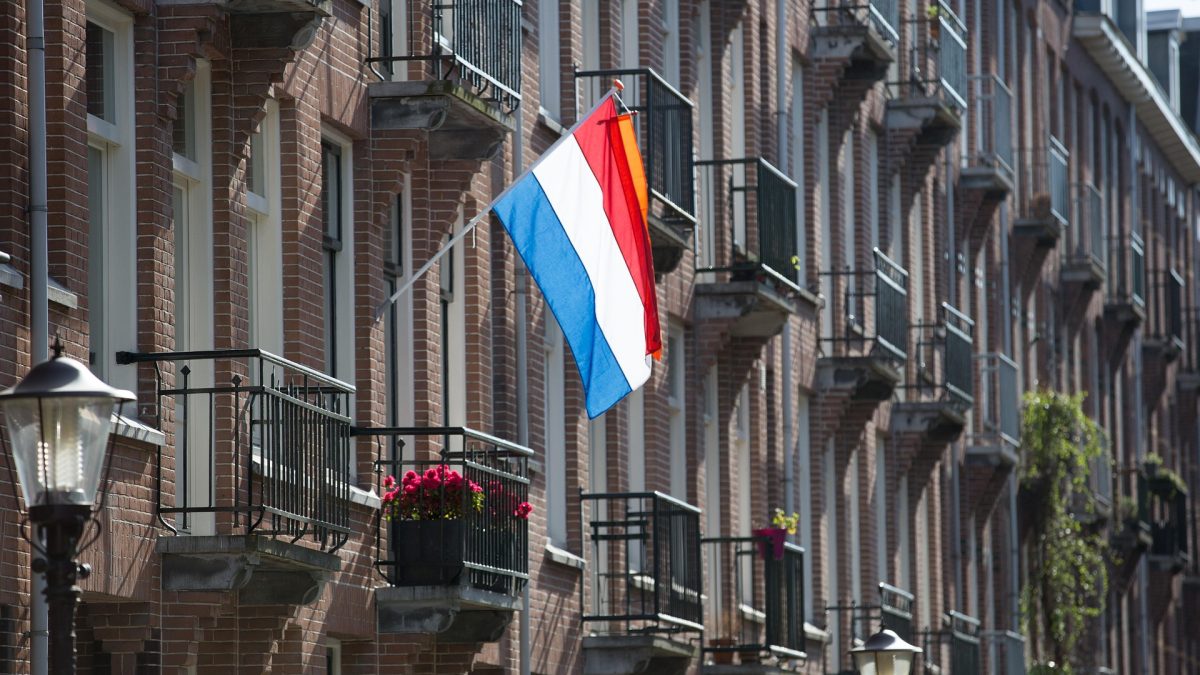
The Netherlands are about to take one of the most restrictive measures against the gambling sector – a complete ban on gambling advertisements and a reduction of the online licenses in the market. The official motive is to protect vulnerable groups and to reduce crime. However, the question is whether such a policy will not lead to the opposite result and, instead of reducing the risk, increase it.
Tension is growing between the sector and Dutch politicians
On January 30, 2026, the new coalition government in the Netherlands revealed that it plans to take a tougher stance on the gambling industry. In a 67-page agreement published by the government, online gambling is compared to prostitution. It is stated that both sectors are legal in the Land of Tulips, but can also often be linked to crime and human trafficking. Therefore, the government announced its intention to introduce a complete ban on gambling advertising, limit the number of licenses in the sector and increase pressure against illegal websites.
Behind the rhetoric, however, complex reality hides. This is not the first time that a complete ban on gambling advertising has been proposed in the Netherlands. In July 2023, advertising there was severely restricted, with TV, radio and print ads banned. The Netherlands had legalized online gambling with the aim of taking the sector out of the grey area and putting it under control, and the idea behind is simple – when activities are transparent and monitored, risk can be managed.
But now the state is considering a measure that could weaken this very regulated segment and strain relations with the gambling regulator Kansspelautoriteit (KSA). At the ICE exhibition in January, KSA chairman Michel Groothuizen hinted that relations between the regulator and Dutch politicians are often tense, regardless of which party is in power. Groothuizen has repeatedly addressed the challenges of working with politicians. In the past, he has opposed to several proposals, including increasing the minimal age for gambling and a complete ban on advertising.
The risk of black market growth remains the main problem.
The most serious concern of the Dutch gambling trade association (VNLOK) is related to the black market. KSA data shows that the illegal sector is already growing, and its revenues exceeded those of legal gambling in the second half of 2025. This is a worrying signal, indicating that even with a regulatory regime in place, some users are turning to unregulated platforms. A complete ban on advertising could give an even greater boost to this trend. When licensed operators disappear from the public space, users do not stop looking for the service – they simply find it elsewhere.
The problem is that “elsewhere” are often unregulated platforms with no responsible gaming mechanisms and no guarantees of payouts. Of course, the risk of fraud, money laundering, and crime also increases, which is exactly the opposite of the government’s stated goals.
Banning versus balanced regulation?
The political signal is clear – the government wants to show toughness. However, economic and social logic shows that a complete ban rarely eliminates demand; it redirects it. The history of regulated markets shows that when the legal sector is excessively restricted, the grey sector fills the gap.
Ultimately, effective protection is not measured by the severity of banning, but by the real results for society. Thus, the Netherlands’ decision may become not only a domestic political experiment, but also a warning for other European countries, including Bulgaria, where controversial legislative changes are periodically proposed.
Source: 24 chasa.